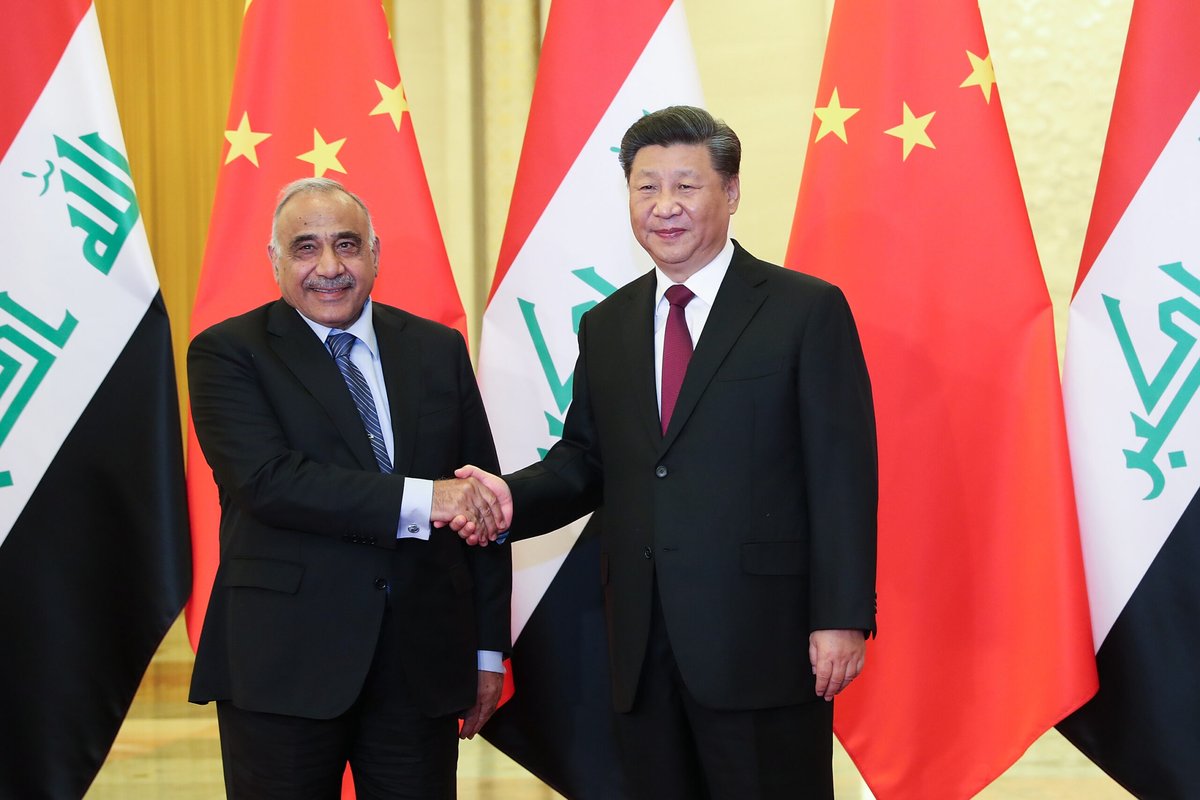
When we think of international relations, our minds often jump to geopolitics, trade agreements, and high-stakes negotiations between state actors. But sometimes, the most profound diplomacy unfolds through unexpected channels, driven by deeply held convictions and a commitment to bridge divides. This is the story of Ned Graham's Work with China & International Relations, a journey that uniquely intertwined faith, humanitarian efforts, and a respectful engagement with one of the world's most complex nations.
Ned Graham's approach wasn't about imposing an agenda; it was about opening doors, fostering understanding, and serving a community through the simple yet profound act of sharing the printed word. His decades-long commitment to China, rooted in a spiritual vision, offers a fascinating case study in how personal faith can inform and inspire significant international dialogue and collaboration.
At a Glance: Key Insights into Ned Graham's China Engagement
- Pioneering Diplomacy: Ned Graham, through East Gates ministry, initiated diplomatic efforts with high-level Chinese government and religious leaders following the 1989 Tiananmen Square event.
- Bridging Divides: His work aimed to change China's negative perception of Christianity and serve its rapidly growing number of believers, including many who endured severe persecution.
- Legal Bible Distribution: East Gates secured a groundbreaking agreement to legally print and distribute nearly 3.5 million Bibles from the Amity Printing Press to House Church believers across every Chinese province.
- Promise Upheld: The Chinese government upheld its promise of non-harassment for those who provided identification to receive Bibles, a testament to the trust built.
- Beyond Bibles: The ministry expanded into discipleship training, Christian literature publishing, church building support, and social welfare projects.
- Rooted in Faith: Graham's motivation stemmed from deep spiritual convictions, including personal encounters with persecuted believers and reflections on forgiveness and enduring suffering.
- Strategic Collaboration: East Gates worked directly with China's Religious Affairs Bureau (RAB), Three-Self Patriotic Movement (TSPM), and the China Christian Council (CCC).
A Bridge Builder's Calling: The Genesis of East Gates Ministry
The seeds of Ned Graham's distinctive engagement with China were sown in a turbulent period. Following the tragic events of Tiananmen Square in 1989, a sense of urgency and opportunity emerged for international observers. It was against this backdrop that leaders within China's vibrant House Church movement extended an unprecedented invitation to Graham. They sought collaboration, a hand stretched across the geographical and ideological divide, to support the burgeoning Christian community within China.
This pivotal invitation led to Graham's first visit to the People's Republic of China in the autumn of 1989. It wasn't merely a tourist trip; it was a diplomatic and spiritual reconnaissance mission. During this crucial journey, he navigated the complex landscape of Chinese society, meeting with a wide spectrum of influential figures. These included top government officials, recognized religious leaders such as Bishop Shun Yi Fang and Bishop K.H. Ting from the state-sanctioned churches, and critically, the revered figures of the underground House Church, like Wang Ming Dao and Samuel Lamb, who had endured immense suffering for their faith. These initial dialogues laid the groundwork for a nuanced understanding of China's religious dynamics.
One incident during this formative period particularly underscored the delicate nature of his work. Ned Graham's family was mistakenly blamed for the 1989 arrest of evangelist Xu Yongze, a leader revered by many. Such misunderstandings could easily derail years of bridge-building. However, a divinely orchestrated meeting with Xu Yongze's son clarified the true circumstances behind the arrest. This resolution didn't just clear Graham's name; it fostered healing and reconciliation among various House Church networks across China, demonstrating the power of transparent communication and trust. This early experience highlighted the deep complexities and the profound need for a patient, understanding approach in his future endeavors.
Forging Diplomatic Pathways: East Gates' Official Mandate
With a clearer understanding of the landscape and the needs, 1990 marked the formal establishment of East Gates ministry. Ned Graham's mother, the legendary Ruth Bell Graham, served as a founding board member, lending her considerable spiritual gravitas and wisdom to the nascent organization. The mission was clear yet audacious: to fundamentally shift China's often-negative perception of Christianity and to provide tangible, legal support to its rapidly growing number of believers, many of whom carried the scars—both visible and invisible—of persecution during the Cultural Revolution.
East Gates embarked on an unprecedented diplomatic initiative. Rather than operating in the shadows, they engaged directly with key governmental and religious bodies: China's Religious Affairs Bureau (RAB), the Three-Self Patriotic Movement (TSPM), and the China Christian Council (CCC). The objective was audacious: to legally secure and distribute Bibles printed by the Amity Printing Press – a joint venture between the United Bible Societies and the China Christian Council – directly to House Church believers. This had to be done without restriction or harassment, a monumental challenge in a country where religious activities outside state control were often viewed with suspicion.
Guiding their every step was the motto, "Seeing Beyond the Impossible," inspired by the biblical verse Luke 1:37: "For no word from God will ever fail." This conviction fueled their persistent efforts, turning what many considered an insurmountable barrier into a pathway for unprecedented cooperation. Their strategy wasn't confrontational; it was collaborative, seeking points of common ground and mutual respect to achieve their humanitarian and spiritual goals.
The Power of the Printed Word: Distributing Bibles Across China
The heart of East Gates' initial work lay in the distribution of Bibles. Through persistent dialogue and trust-building with the RAB, TSPM, and CCC, East Gates achieved a remarkable breakthrough. They secured an agreement to legally distribute Bibles, printed domestically at the Amity Printing Press, directly into the hands of House Church believers. This meant bypassing traditional channels that might have limited access, ensuring the scriptures reached those who had long yearned for them.
To date, East Gates has overseen the distribution of close to 3.5 million Bibles. This staggering number represents more than just books; it symbolizes hope, spiritual nourishment, and a connection to a global faith community for millions of individuals. These Bibles have reached every Chinese province, touching countless lives across vast distances and diverse communities.
Crucially, the promise made by Chinese officials regarding non-harassment for those who provided identification to receive Bibles was upheld. This demonstrated a level of trust and cooperation that was rare in the context of international religious engagement with China. The success of this distribution model wasn't just about the sheer volume of Bibles; it was about the precedent it set for respectful, legal engagement in a sensitive area. It proved that a path existed for cooperation when approached with sincerity, patience, and a genuine desire to serve.
Beyond Bibles: Expanding East Gates' Legacy
Now well into its third decade, East Gates' mission has evolved beyond solely providing Bibles, though that foundational work remains central. The ministry has broadened its scope to address the holistic needs of China's Christian community, expanding into critical areas like discipleship training. This helps believers deepen their understanding of their faith and cultivate spiritual maturity, building strong, resilient communities.
Recognizing the need for accessible theological resources, East Gates also began publishing Chinese Christian literature. This initiative provides local believers with contextually relevant materials for study, worship, and spiritual growth, supporting a vibrant intellectual and devotional life within the church. Furthermore, the ministry has extended its support to church building initiatives, providing tangible spaces for worship, fellowship, and community outreach.
Beyond spiritual and educational needs, East Gates has also ventured into social welfare projects. These initiatives reflect a broader understanding of faith in action, addressing practical needs within communities and demonstrating Christ's love through tangible service. Ned Graham and East Gates believe unequivocally that the Bible remains the greatest tool for evangelism and spiritual transformation, and they continually emphasize the profound power of faith, echoing Matthew 17:20, which speaks to the ability to move mountains with even a small amount of faith. The work of East Gates, and indeed Learn more about Ned Graham himself, stands as a testament to this belief.
Lessons from the Unseen: Faith, Forgiveness, and Enduring Hope
Ned Graham's work in China was deeply personal, shaped by powerful encounters that transcended mere policy discussions. His more than 40 trips to the country weren't just about logistics and diplomatic meetings; they were opportunities for profound spiritual exchange. He encountered countless testimonies of unwavering faith, particularly from believers who had endured unimaginable suffering during the Cultural Revolution.
One particularly moving experience involved a man who had spent 18 years in prison for his faith. Bearing physical scars that served as a constant reminder of his ordeal, this man nonetheless radiated profound love and spiritual maturity. His insights on Easter, drawn from Philippians 3:7-14 and Colossians 3:3, left a lasting impact on Graham. This seasoned believer explained "justification" as a one-time event, the moment an individual accepts Christ and is fully cleansed from sins through Christ's death and resurrection—the very essence of Easter. "Sanctification," he clarified, was the subsequent, lifelong process of spiritual growth, a continuous journey of becoming more like Christ. This involved dying to old ways, surrendering everything for the Gospel, and crucially, enabling him to release any bitterness toward his persecutors.
From this man's testimony, Graham gleaned core actionable insights for anyone facing suffering:
- Learning to forgive: Releasing bitterness and resentment, even against those who have caused great pain.
- Accepting a new life hidden with Christ: Finding identity and purpose in something eternal, beyond temporal circumstances.
- Being honored to share in Christ's sufferings: Viewing hardships as a way to identify more closely with Jesus' own sacrifice.
- Focusing on the eternal Christ over temporal pains: Shifting perspective from immediate suffering to the lasting hope of eternity (Hebrews 12:2).
- Forgetting past grievances to strive towards God's heavenly call: Embodying the spirit of Philippians 3:13-14, letting go of what is behind and pressing forward.
These encounters weren't just observations for Graham; they were deeply transformative. He was personally convicted to forgive others in his own life and to refocus his efforts and existence squarely on Jesus. This profound spiritual grounding wasn't just a personal choice; it was the wellspring from which his entire diplomatic and humanitarian mission flowed, giving it an authenticity and resilience that resonated even in the most challenging of international contexts.
Navigating Complex Terrain: Common Questions About Faith-Based Diplomacy
Engaging with a nation like China on issues of religion often raises questions and can be easily misunderstood. Ned Graham's work with East Gates ministry, however, offers clear answers to some common concerns.
How could Bibles be distributed legally in China?
The key lay in building trust and engaging directly with established government and religious authorities. East Gates didn't operate as a clandestine organization. Instead, they approached the Religious Affairs Bureau (RAB), the Three-Self Patriotic Movement (TSPM), and the China Christian Council (CCC) as partners, not adversaries. By working within the existing legal framework and collaborating with the Amity Printing Press, they secured official permission. This approach allowed for transparent distribution that minimized suspicion and ensured the Bibles were produced and delivered legitimately.
What challenges did East Gates face in this sensitive work?
Despite the successes, challenges were inherent. The initial period after Tiananmen Square was fraught with tension. Misunderstandings, like the one concerning Xu Yongze's arrest, could easily ignite mistrust. Navigating the differing perspectives and theological nuances between state-sanctioned churches and House Churches required immense sensitivity. Furthermore, simply ensuring logistics for distributing millions of Bibles across a vast country like China presented significant practical hurdles, from transportation to coordination with local communities. Patience, perseverance, and prayer were constant requirements.
Was this work seen as proselytization by the Chinese government?
East Gates' primary mission, as presented and agreed upon, was to provide Bibles to existing Chinese Christians for their spiritual growth and edification. While the presence of Bibles naturally supports evangelism within Christian communities, the diplomatic efforts focused on meeting the existing demand from existing believers. The agreement specifically ensured the Bibles went to those who sought them and provided identification, rather than engaging in overt, unsolicited public proselytization. This nuanced approach was crucial in gaining official approval and maintaining productive relationships.
The Enduring Impact: A Blueprint for Principled Engagement
Ned Graham's decades of dedicated service in China offer more than just a historical account; they provide a compelling blueprint for principled engagement in a complex world. His work with China and international relations wasn't about imposing external ideologies but about facilitating access to resources for a vibrant, indigenous faith community, while simultaneously building bridges of understanding between cultures and governments.
The legacy of East Gates ministry extends beyond the millions of Bibles distributed. It demonstrates the power of consistent, respectful dialogue, even when profound differences exist. It underscores that trust, once painstakingly built, can yield remarkable results, opening pathways that were once deemed impossible. Through discipleship, literature, church building, and social welfare, Ned Graham's vision continues to empower Chinese believers and foster a greater sense of connection and purpose.
Ultimately, Graham's journey reminds us that true diplomacy isn't always enacted on grand stages by politicians alone. Sometimes, it's forged in quiet conversations, fueled by deep conviction, and measured by the human connections it creates. It’s a testament to the belief that seeing beyond the impossible, guided by faith and a heart for service, can indeed bridge the widest divides.